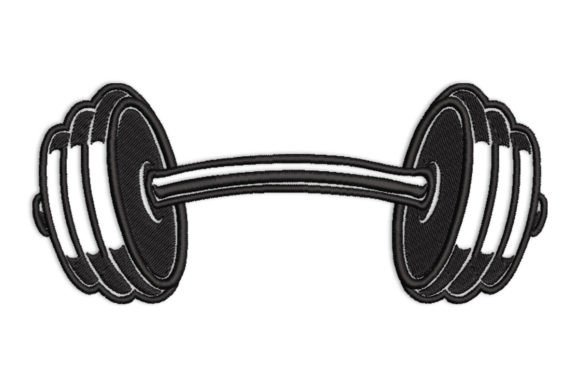
Barbell Dumbell Embroidery Design Review for Business
As an experienced embroidery designer who has spent years translating digital files into tangible brand assets, I approach every new machine embroidery design with a critical eye. My focus is never just on how pretty a motif looks in a preview window; it is about how that design performs under the pressure of commercial production. Today, I am reviewing the Barbell Dumbell design, categorized under Sports and Embroidery, to determine its viability for small business merchandise, branded patches, and professional apparel decoration.
First Impressions: Whimsy Meets Athletic Function
When I first loaded the Barbell Dumbell file into my digitizing software, the description promised "whimsy and charm," which initially raised an eyebrow given the subject matter. Typically, barbell designs lean heavily into grit, aggression, or pure utility. However, this specific interpretation offers a softer, more decorative aesthetic. It feels less like a gym logo and more like a lifestyle badge. For a boutique fitness studio, a wellness café, or a handmade sports gear brand, this balance is crucial. The design does not scream "heavy metal"; instead, it whispers "active lifestyle" with a touch of playful elegance.
This visual personality makes the Barbell Dumbell an excellent candidate for brands that want to appear approachable rather than intimidating. If you are a product designer creating merch for a yoga-to-strength crossover program, or a florist selling gift baskets to athletes, this design fits perfectly. It bridges the gap between rugged functionality and the curated look required for high-end handmade products.
Evaluating Performance in Real Business Scenarios
The true test of any digital embroidery file lies in its application across various substrates. Here is how I see the Barbell Dumbell performing in real-world commercial projects:
- Branded Patches: This design is particularly well-suited for woven or embroidered patches. The lines appear distinct enough to hold their shape when cut out, making it ideal for attaching to denim jackets, canvas backpacks, or as a detachable logo for staff uniforms. A patch version allows for versatility without committing to permanent stitching on delicate fabrics.
- Apron Embroidery: For a local café or bakery that hosts "fitness meets food" events, placing this design on the bib of a chef's apron adds immediate character. The whimsical nature of the design softens the utilitarian look of workwear, turning staff into walking brand ambassadors.
- Cap Embroidery: On curved surfaces like baseball caps, the compact nature of the dumbbell shape works well. It avoids the stretching issues common with wide logos, maintaining structural integrity even on structured visors or snapbacks.
- Tote Bag Design: Canvas tote bags are a staple for small business merch. The Barbell Dumbell serves as a striking focal point on a plain cotton bag. Because the design relies on form rather than intricate shading, it translates beautifully onto textured fabric where fine details might get lost.
- Event Merchandise: For charity runs or local sports fundraisers, this design can be used on t-shirts or sweatshirts. Its friendly aesthetic encourages wearability beyond the event day, increasing long-term brand visibility.
Critical Considerations for Production
While the potential is high, there are specific areas where caution is required to ensure the finished product meets professional standards. As a designer, I always advise my clients to review these factors before bulk ordering:
Stitch Density and Fabric Texture
Because the description highlights "whimsy," the design likely utilizes varied stitch types to create texture. On thick, looped fabrics like towels or heavy fleece, high stitch density can cause puckering. Always test the Barbell Dumbell on your specific material first. If the design feels too dense for a knit fabric, you may need to adjust the pull compensation or use a heavier weight stabilizer to prevent distortion.
Size Constraints and Cap Fronts
When shrinking this design for a small cap front or a tiny sleeve detail, watch out for the loss of definition. The curves of the dumbbell weights must remain smooth; if the size drops too low, the machine may struggle to replicate the rounded edges, resulting in jagged lines. I recommend keeping the design at least 2 inches wide for optimal clarity on caps and patches.
Thread Colors and Contrast
The success of this embroidered patch or logo depends heavily on color contrast. On dark uniforms, a single-color outline might disappear. Conversely, on light fabrics, ensure the thread colors pop. I suggest testing the design in black and white first to evaluate the line weight and spacing before selecting vibrant threads. Proper color selection enhances brand identity and ensures the logo is legible from a distance.
Impact on Brand Identity and Customer Trust
In the competitive world of small business merch, every stitch counts toward your reputation. Using a cohesive, well-executed design like Barbell Dumbell signals professionalism. It tells your customer that you care about quality and attention to detail. When a client receives a tote bag or a uniform with a clean, crisp logo, their trust in your brand increases. They perceive the product as premium, which justifies higher price points for your handmade goods.
Furthermore, visual consistency is key. Whether you are using this design on a product label, a promotional flyer, or a physical garment, the Barbell Dumbell should align with your other design assets. If your brand voice is playful and modern, this design reinforces that message. However, if your brand is strictly corporate or ultra-minimalist, you must ensure the whimsical elements do not clash with your overall aesthetic.
Practical Designer Notes for Implementation
Before integrating the Barbell Dumbell into your production workflow, follow these steps to guarantee success:
- Verify Licensing: Always confirm the commercial licensing terms of the embroidery file. Ensure you have the right to use it for unlimited merchandise sales, especially if you plan to sell items on platforms like Etsy or Amazon.
- Test Hoop Size: Check the required hoop size against your machine capabilities. If the design requires a larger hoop than you possess, you may need to re-digitize or split the design, which can affect alignment.
- Create Printable Mockups: Before running a full batch, generate a printable mockup for client approval. Show the design on a digital representation of the final product (e.g., a cap or apron) to manage expectations regarding scale and placement.
- Inspect Spacing: Review the spacing between the barbell and the weights. In tight spaces, threads can bleed together. Ensure there is enough room for the needle to maneuver without snagging.
- Wash Testing: Since many applications involve frequent washing (like gym clothes or kitchen aprons), embroider a sample and wash it multiple times. Check for thread breakage or fading to ensure durability.
The Barbell Dumbell design offers a unique opportunity for businesses in the sports and lifestyle sectors to add a layer of charm to their branding. By understanding its strengths and limitations, you can leverage this custom apparel asset to create memorable, high-quality products that resonate with your audience. Whether for a local gym, a creative studio, or a personal craft brand, thoughtful application of this design can elevate your entire product line.