Big Elephant: A Boutique Apparel Design Review
As an embroidery designer who has spent years curating collections for boutique apparel, I approach every new machine embroidery design with a critical eye. My goal is always to find files that translate well from the digital screen to the physical garment, adding value to a handmade product without compromising quality. Recently, while browsing Creative Fabrica for fresh inspiration for an upcoming sweatshirt collection, I came across the Big Elephant embroidery design. This piece falls under the Wild Animals category, but its application extends far beyond simple animal motifs. Here is my professional assessment of how this design performs in a real-world commercial setting.
First Impressions: Visual Personality and Stitching Mood
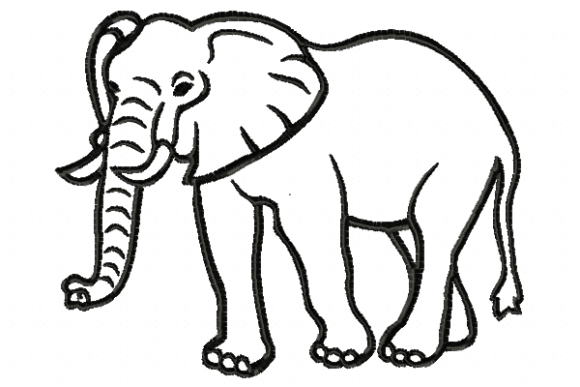
The first thing that strikes you about Big Elephant is its strong visual presence. Unlike some minimalist designs that get lost on oversized garments, this file carries a bold, decorative strength. The aesthetic feels playful yet classic, making it versatile enough for both children's wear and adult streetwear. When reviewing the preview, the stitching mood appears balanced; it does not look overly dense, which is crucial for maintaining fabric texture on heavy materials like fleece or French terry.
For a small shop product line, having a design that feels premium without requiring excessive thread consumption is a win. The detail level seems sufficient to create a recognizable silhouette without becoming a "pixelated" mess when stitched at smaller scales. It evokes a sense of whimsy that fits perfectly into the current trend of nature-inspired, cozy aesthetics. Whether you are aiming for a rustic, earthy vibe or a trendy, pastel-toned collection, the clean lines of the elephant suggest it will adapt well to various color palettes.
Application on Sweatshirts and Hoodies
My primary use case for this review was preparing a small sweatshirt collection. The Big Elephant design is particularly promising for sweatshirt embroidery. On a neutral heather grey or oatmeal hoodie, placing this design on the chest creates an immediate focal point. The scale of the elephant allows it to stand out even against busy fabric textures.
I envision using this as a back design on oversized hoodies as well. Large-scale placement on the back of a garment allows the design to breathe, showcasing the full character of the animal. For sleeve accents, however, caution is needed. While the design is robust, the curvature of a sleeve can distort intricate details if the hoop size is not managed correctly. If you plan to use Big Elephant on sleeves, ensure you are using a flexible hoop and perhaps opt for a slightly smaller stitch count variation if available, though you should confirm specific file formats before purchasing.
When considering dark apparel, such as charcoal or navy sweatshirts, the contrast becomes key. A lighter thread color palette would make the elephant pop, creating a high-end custom apparel look. Conversely, tonal stitching on similar-colored fabrics could yield a subtle, sophisticated result perfect for a boutique brand aiming for understated elegance.
Versatility Beyond Tops: Totes and Lifestyle Items
While apparel is my main focus, the description notes that this beautiful design can be used on tote bags, pillowcases, and home decor items. From a business perspective, this versatility is invaluable. An Etsy seller or digital seller can maximize a single embroidery file by applying it to multiple product categories.
Imagine a sturdy canvas tote bag featuring the Big Elephant design. This transforms a basic utility item into a statement piece for a lifestyle product photo shoot. The design's boldness ensures it remains visible even when the bag is filled with items. Similarly, framing the embroidery as artwork offers another revenue stream. The ability to pivot between clothing and home goods makes this a smart investment for creative entrepreneurs looking to diversify their inventory without buying dozens of different files.
Strategic Placement and Fabric Considerations
Not all placements work equally well with every design. For Big Elephant, I recommend avoiding tiny chest placements where the details might merge into a solid blob. Instead, aim for standard left-chest logos or larger center-back applications. When working with stretchy fabric like ribbed cuffs or necklines, the stability of the design is paramount. Always test on scrap fabric first to see how the stitch density interacts with the material's elasticity.
Fleece and heavy cotton blends are ideal candidates for this machine embroidery design. The thickness of these fabrics supports the weight of the stitches, preventing puckering. However, if you are working with very thin jersey or delicate silks, the density of the elephant motif might overwhelm the fabric. In those cases, a heavy-duty stabilizer is non-negotiable. You must review your stabilizer choice carefully; a cut-away stabilizer often provides the best support for dense areas on stretchy garments.
Enhancing Brand Identity and Product Value
In the competitive world of handmade products, consistency is key. Using a cohesive set of designs helps build buyer trust and product recognition. The Big Elephant design, with its friendly and universally appealing nature, can become a signature element of your brand. It signals a connection to nature and playfulness, which resonates well with customers looking for unique, non-mass-produced items.
Professional presentation matters. When you upload printable mockups to your online shop, the clarity of the embroidery design affects how potential buyers perceive the finished product. High-quality images of the Big Elephant on a hoodie can drive customer engagement. It tells a story of craftsmanship and attention to detail. For a boutique brand, offering a limited run of "Elephant Collection" hoodies can create a sense of exclusivity and urgency among your followers.
Practical Designer Notes for Production
Before committing to a full production run, there are several technical steps I cannot stress enough. First, always check the Creative Fabrica product details regarding licensing. Ensure you have the correct rights for commercial embroidery if you intend to sell the finished garments. Second, verify the hoop size requirements. Some large animal designs require a 10x10 inch hoop or larger, which limits the types of garments you can embroider without removing them from the machine.
Inspect the stitch density closely. If the design is too dense, it may cause the fabric to pucker, especially on the front of a t-shirt. Adjusting the tension on your machine and selecting the right thread colors for contrast will elevate the final look. Test the design on a similar garment fabric to the one you plan to sell. Compare placement options on your actual sample pieces to ensure the elephant sits correctly on the human form.
Finally, remember that every machine behaves differently. What looks perfect on a domestic machine might need adjustments on an industrial unit. By taking the time to test, stabilize, and refine your process with the Big Elephant design, you ensure that every piece leaving your shop represents the highest standard of quality. This careful approach is what separates a hobbyist from a successful small clothing brand.
Final Thoughts on the Big Elephant Design
The Big Elephant embroidery design from Creative Fabrica offers a compelling mix of charm and commercial viability. Its ability to transition seamlessly from sweatshirts to tote bags makes it a practical asset for any embroidery shop. Whether you are crafting a seasonal outfit line or expanding your digital embroidery file library, this design provides a strong foundation for creative expression. With proper planning and execution, it can become a standout piece in your next collection, delighting customers and reinforcing your reputation for quality custom apparel.