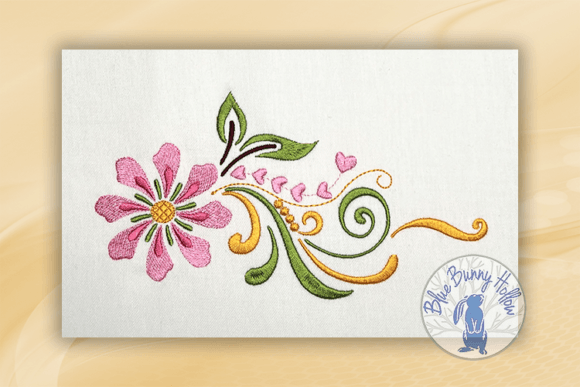
Floral Corners 1: A Designer's Practical Review
As a designer who has spent years curating machine embroidery designs for both personal projects and client work, I approach every new file with a critical eye. It is not enough for a design to look good on a screen; it must translate beautifully into thread on fabric. Recently, I had the chance to evaluate Floral Corners 1, a design from Blue Bunny Hollow described as a garden of floral accents. The product description suggests it is beautiful when embroidered alone on corners or repeated to create frames and quilt blocks. In this review, I will break down how this specific Single Flowers category design performs in real-world scenarios, helping you decide if it belongs in your library of commercial embroidery assets.
First Impressions: Mood and Visual Personality
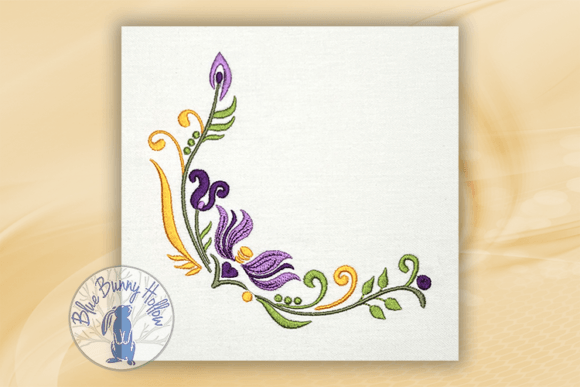
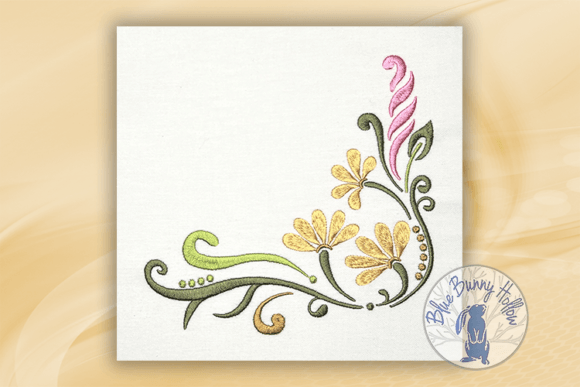
When I first opened the preview for Floral Corners 1, the immediate feeling was one of classic elegance mixed with a touch of whimsy. The layout is distinctly corner-oriented, meaning the negative space is intentional and significant. This makes it an excellent candidate for framing other elements rather than dominating the entire field of view. The visual personality feels soft yet structured, which is crucial for custom apparel where you want to add character without overwhelming the garment.
The design leans heavily on the charm of botanical motifs. Unlike dense, complex arrangements that can get lost on textured fabrics, this design appears to have a balanced stitch density. For an Etsy seller or a small shop owner looking to elevate their brand consistency, this type of design offers a sophisticated "signature" look. It does not scream for attention but rather whispers quality, making it perfect for boutique products where understated elegance sells.
Real-World Application: From Tote Bags to Quilts
To truly understand the value of an embroidery file, you have to visualize it on a finished product. Let’s imagine a scenario where I am preparing a line of personalized kitchen towels for a holiday gift collection. I load Floral Corners 1 into my software and place it in the bottom right corner of a high-quality cotton tea towel. The result is immediately striking. The floral motif anchors the corner, giving the towel a custom, high-end feel that mass-produced items lack.
This design also shines when used as a repeating element. As the description notes, it is magnificent if repeated for a frame or quilt block. I tested this concept mentally for a baby blanket project. By placing the design in all four corners, you create a cohesive border that feels handmade and thoughtful. For parents buying a personalized gift, this level of detail signals care and craftsmanship. It transforms a simple piece of fabric into a heirloom-quality item.
Beyond home decor, consider the potential for apparel decoration. Imagine a denim jacket or a heavy canvas tote bag. Placing Floral Corners 1 on the back pocket of jeans or the lower hem of a sweatshirt adds a subtle pop of color and texture. Because the design is contained within a corner shape, it works exceptionally well on curved surfaces like the side of a cap or the sleeve of a shirt, provided the hoop size is appropriate. It avoids the awkwardness of a large central design that might bunch up on stretchy fabric.
Ideal Use Cases for Your Craft Business
- Kitchen Linens: Perfect for placemats, napkins, and aprons where a corner accent adds a professional touch.
- Quilting Projects: Ideal for creating borders or framing central motifs in handmade quilts.
- Custom Apparel: Great for adding branding to the cuffs of shirts or the corners of tote bags.
- Holiday Gifts: Excellent for wrapping cloth gifts or decorating seasonal stockings.
- Small Shop Merchandise: A reliable asset for creating consistent branding across various product lines.
Navigating Challenges: Where Caution is Required
While Floral Corners 1 is versatile, no machine embroidery design is immune to the challenges of different materials. As a reviewer, I must highlight areas where this design requires careful handling to ensure a flawless finished product.
First, consider the fabric texture. If you are working with highly textured fabrics like thick terry cloth or heavy wool, the delicate details of the floral elements might get lost. The contrast between the thread colors and the fabric becomes even more critical here. You may need to adjust the stitch density or use a thicker stabilizer to prevent the design from sinking into the weave.
Secondly, be mindful of small hoop sizes. While the design is meant for corners, attempting to fit it into a very small hoop (like a 4x4 inch) might require scaling down, which could compromise the clarity of the petals and leaves. Always check the recommended hoop size before starting. If you are using a digital printable mockup to sell the design idea, ensure the scale looks realistic on the intended product.
Finally, think about durability. If you are creating items that will undergo frequent washing, such as dish towels or baby clothes, the integrity of the fill stitch and satin stitch is vital. Dense stitching can sometimes cause puckering on thin fabrics. Testing the design on scrap fabric that matches your final material is non-negotiable. Check how the threads react after a wash cycle to ensure the design remains crisp and does not fray.
Practical Designer Notes for Success
If you decide to incorporate Floral Corners 1 into your workflow, here are some practical steps to ensure the best results:
- Test on Scrap Fabric: Never skip this step. Stitch out the design on the exact fabric and stabilizer you plan to use. This reveals issues with tension and registration before you commit to the customer's item.
- Review Thread Contrast: Since this is a corner design, it relies on visibility. Ensure your thread colors pop against the background, especially if using dark fabrics.
- Check Licensing: Before selling any handmade product featuring this design, confirm the licensing terms. Some files are for personal use only, while others allow for limited commercial sales. Do not assume you can sell unlimited items without checking.
- Mockup Verification: Create black and white mockups to see if the design holds its shape without color distraction. This helps in evaluating the structural integrity of the pattern.
- Stabilizer Selection: Use a cut-away stabilizer for stretchy fabrics and a tear-away for stable wovens to maintain the design's definition.
Final Verdict: Is It Worth Adding to Your Library?
Floral Corners 1 is a strong contender for any designer looking to add a touch of classic beauty to their portfolio. Its versatility allows it to function as a standalone accent or part of a larger composition, making it a valuable asset for commercial embroidery and hobbyists alike. The design respects the boundaries of the corner placement, offering a clean, professional look that enhances rather than overwhelms.
For the creative entrepreneur running a craft business, this design offers a way to differentiate your products from generic competitors. Whether you are embroidering a baby embroidery set, a wedding guest towel, or a branded tote bag design, the ability to execute a clean, elegant corner motif can significantly boost buyer engagement and perceived value.
However, remember that the success of any digital embroidery file depends on the skill of the operator and the preparation of the materials. Take the time to test, stabilize, and plan your color palette. If done correctly, Floral Corners 1 will become a staple in your design toolkit, proving that sometimes the smallest details make the biggest impact on your small shop product line.