Hanna Embroidery Design: A Craft Fair Review
As I set up my booth for the upcoming weekend craft fair, the table is a chaotic sea of potential. Tote bags hang in rows, aprons are folded neatly beside stacks of tea towels, and caps sit waiting to be filled with personality. In this competitive landscape of handmade goods, every embroidery design must earn its place on the fabric. Today, I am putting Hanna through the paces. Is it just another digital file, or is it the star that will drive sales for my small shop product line? The description promises a burst of vibrant colors crafted with both silk and cotton threads, positioning it as the perfect accent for hoodies, jackets, bags, and pillows. Let's see if it delivers when translated from screen to stitch.
First Impressions: Visual Impact and Style
When I first loaded the Hanna machine embroidery design onto my hoop, the immediate feeling was one of modern elegance mixed with rustic charm. It does not scream "festive" in a loud way, nor is it strictly minimal. Instead, it feels decorative and premium. The interplay of thread textures mentioned in the description—silk for sheen and cotton for matte depth—is crucial here. For an Etsy seller or boutique maker, this mix suggests a higher perceived value. Customers walking past my booth often pause at items that catch the light differently than their neighbors. If Hanna utilizes these materials correctly, it creates a tactile invitation for buyers to touch and feel the work.
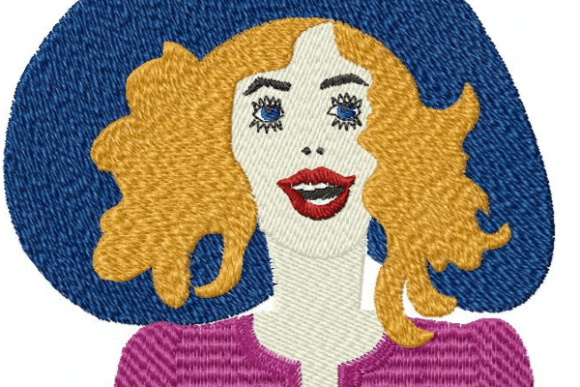
The color palette appears bold enough to stand out against neutral backgrounds but soft enough to complement earthy tones. This versatility is key for a craft fair product. Whether I am aiming for a farmhouse aesthetic or a contemporary look, Hanna seems adaptable. However, the true test lies in how it translates across different mediums. Does it look as good on a rough canvas tote as it does on a smooth pillow cover?
Product Performance: Where Hanna Shines
In my experience, a design like Hanna thrives when given space to breathe. On tote bag designs, placing it centrally allows the vibrant colors to pop against the natural linen or canvas. I envision large market bags where the design serves as the focal point, drawing the eye immediately. Similarly, for apron embroidery, positioning Hanna on the bib area creates a statement piece that elevates a simple kitchen tool into a giftable art object.
Tea towel embroidery is another strong contender. The textured weave of a high-quality towel can add dimension to the stitches, especially if the design includes varied stitch density. However, I must be careful; if the towel is too thick, the needle might struggle to penetrate evenly, distorting the delicate lines of Hanna. For smaller items like embroidered patches or caps, the challenge shifts to clarity. Patches offer a great way to sell the design as a standalone accessory, allowing customers to sew it onto denim jackets or backpacks later. Yet, the curved surface of a cap requires precise digitizing to prevent puckering. If Hanna has intricate curves, it might lose definition on a rounded brim unless carefully tested.
For home decor enthusiasts, pillow covers remain a staple. The description explicitly mentions pillows, suggesting the design scales well for larger formats. A vibrant Hanna on a solid-colored throw pillow can transform a living room corner. As a handmade product, it offers a unique alternative to mass-produced printed textiles. The raised texture of the embroidery adds a layer of luxury that flat prints simply cannot match.
Practical Production and Selling Strategy
Selling at a craft fair is about speed and visual appeal. Hanna needs to be recognizable at a glance. If a customer walks by and sees a finished product, they should understand the style within seconds. The design feels repeatable for batch production, which is essential for restocking popular items. However, I need to ensure the hoop size accommodates the full scope of the artwork without cutting off details. Checking the embroidery file specifications before committing to a run of fifty items is non-negotiable.
Photography is equally important for online listings. Since many buyers will view my digital embroidery file or finished goods on Etsy, the design must photograph well. Vibrant colors can sometimes appear washed out under harsh booth lighting or flash photography. I plan to create at least one real mockup to test how the thread colors render on camera. A printable mockup helps visualize the final look, but nothing beats the physical sample. The goal is to show the depth and quality of the stitching, proving that this is a premium commercial embroidery piece.
From a business perspective, Hanna enhances brand consistency. If my booth features a cohesive collection of accessories, this design ties them together. It signals to the buyer that I am a professional creative entrepreneur who cares about detail. The perceived value increases when the stitching looks crisp and the colors are rich. This attention to detail encourages higher price points and repeat customers.
Careful Use Notes and Technical Considerations
Despite its promise, Hanna requires careful handling. Dense stitch areas can cause fabric to pucker, especially on lightweight materials like silk or thin cotton. I must review the stitch density in the software before running the machine. If the design is too heavy, I may need to adjust the tension or use a stronger stabilizer. Tiny details and small lettering, if present, risk becoming muddy if scaled down too much. I advise against using Hanna on very small pouches unless the design is specifically optimized for miniaturization.
Fabric texture plays a significant role. On thick fabrics like denim or heavy canvas, the needle must be sharp and the stabilizer robust. Conversely, on textured towels, the nap of the fabric can interfere with the visibility of fine lines. Dark fabrics present another challenge; vibrant colors may require underlay stitches to prevent bleeding through the material. Curved surfaces, such as those found on caps or sleeves, demand extra care to maintain the integrity of the shape.
Designer Checklist for Success
Before launching Hanna as a core part of my inventory, I follow a strict protocol:
- Test on Scrap Fabric: Always run a test on the exact material intended for the final product to check for puckering and color accuracy.
- Check Thread Contrast: Ensure the thread colors stand out against the background fabric. Low contrast can make the design invisible.
- Review Spacing and Hoop Size: Confirm that the design fits comfortably within the hoop without stretching the fabric.
- Inspect Stitch Density: Look for overly dense areas that might weaken the fabric or cause thread breakage.
- Use the Right Stabilizer: Match the stabilizer type to the fabric weight to ensure a flat, professional finish.
- Create Real Mockups: Produce at least one physical sample to evaluate the look and feel in person.
- Compare Fabric Colors: Test multiple fabric shades to find the best pairing for the vibrant hues of Hanna.
- Confirm Licensing: Verify the commercial licensing terms before selling finished products or the digital embroidery file itself.
Ultimately, Hanna represents more than just a pattern; it is an opportunity to elevate a standard accessory into a cherished item. By understanding its strengths and limitations, I can position it effectively in my booth and online store. Whether it ends up on a cozy pillow, a stylish tote, or a chic cap, the right execution ensures that Hanna becomes a bestseller for any small shop product line. As I finalize my display, I am confident that with the right preparation, this design will capture the hearts of craft lovers and turn browsers into buyers.