Princess Fairy: A Designer's Review for Business Merch
As an embroidery designer who has spent years translating brand visions into tangible stitched assets, I approach every new digital file with a critical eye. When a client asks for merchandise that stands out in a crowded market, the design must do more than look pretty; it must perform. Recently, I evaluated a machine embroidery design titled Princess Fairy. While the product description suggests it is ideal for towels and home decor, my focus was strictly on its viability for small business merch, branded patches, and custom apparel. Does this whimsical asset hold up under the scrutiny of commercial production? Let's dive into the details.
First Impressions: Whimsy Meets Professionalism
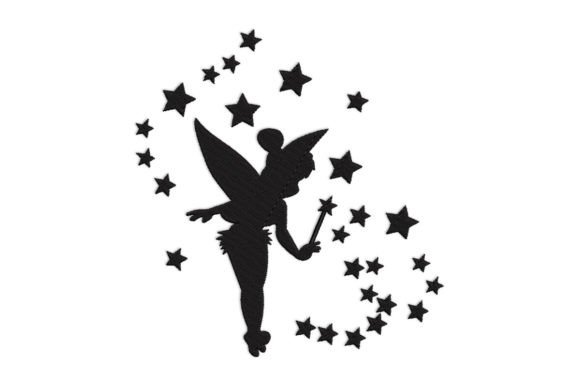
The moment you load the Princess Fairy embroidery file into your digitizing software, the visual personality is clear. It leans heavily into the Fairy Tales category, offering a sense of charm and magic that is instantly recognizable. For a boutique bakery, a children's clothing line, or a creative studio, this design exudes a friendly, approachable vibe. However, in the world of commercial embroidery, "whimsical" can sometimes border on "childish" if not applied correctly.
My initial assessment is that Princess Fairy feels elegant yet playful. It has the potential to elevate a handmade product from a simple commodity to a premium gift item. The lines appear fluid, suggesting a design that could work beautifully as a standalone logo accent or a decorative element on high-end tote bags. Yet, before committing to a bulk order, one must consider how this specific aesthetic aligns with your existing brand identity. If your brand is sleek and minimalist, this design might feel too ornate. Conversely, if you are selling artisanal goods or targeting a family-oriented demographic, the inherent charm of the design could significantly boost buyer engagement.
Real-World Applications for Small Businesses
The true test of any digital embroidery file lies in its versatility across different substrates. Here is how Princess Fairy performs when moved from a screen to real-world business applications:
- Embroidered Patches: This design translates exceptionally well into a woven or embroidered patch. The organic shapes allow for clean satin stitching around the edges, creating a professional finish. These patches can be sewn onto denim jackets, canvas aprons, or even backpacks, serving as a durable brand mark.
- Staff Uniforms and Aprons: For a café or florist, placing a smaller version of Princess Fairy on the chest pocket of a uniform or the bib of an apron adds a touch of character without overwhelming the wearer. It signals a brand that values creativity and detail.
- Cap Embroidery: Caps are tricky due to their curved surface. The design's flow works well here, provided the size is adjusted to fit the front panel without distorting the features. It makes for a memorable promotional item at events or trade shows.
- Tote Bag Design: Large format tote bags offer ample space for this design. Using contrasting thread colors, Princess Fairy can become the focal point of a reusable shopping bag, turning a customer into a walking billboard for your shop.
- Product Packaging Accents: Imagine a luxury soap bar wrapped in fabric with this motif embroidered directly onto the wrap. It elevates the perceived value of the finished product, justifying a higher price point.
Critical Considerations for Production
While the potential is high, experienced decorators know that not every design works everywhere. There are specific scenarios where Princess Fairy requires careful handling to avoid production nightmares.
Size and Detail Constraints
One of the biggest risks with intricate designs like this is shrinking them too much. If you attempt to use this as a tiny sleeve detail or a small cap logo, the fine details may get lost in the stitch density. Always check the minimum recommended size. If the design becomes too small, the threads will bunch up, creating a muddy appearance rather than a crisp image. For very small applications, you may need to simplify the digitization or choose a bolder outline version.
Fabric Texture and Stabilizer Needs
The success of Princess Fairy depends heavily on the fabric texture. On smooth cotton or twill, the design shines. However, on textured fabrics like heavy fleece, ribbed knit, or thick canvas, the intricate details might sink into the weave. In these cases, using a high-quality stabilizer is non-negotiable. Without proper backing, the design could pucker or distort, ruining the professional look of your merchandise.
Color Contrast and Visibility
When planning thread colors, ensure there is sufficient contrast against the base fabric. A light-colored fairy design on a white shirt will be invisible. Similarly, dark thread on a black uniform needs to be tested carefully. Always create a printable mockup first to visualize the color combinations before spending money on thread and time on the machine.
Impact on Brand Identity and Trust
Choosing the right design asset is a strategic decision. Princess Fairy does more than decorate; it communicates values. By incorporating this design into your small business merch, you signal that your brand is imaginative, caring, and attentive to detail. This builds trust with customers who appreciate unique, handcrafted aesthetics.
However, consistency is key. If you use this design on a high-end leather wallet but also on a cheap plastic toy, it dilutes the brand message. Ensure that the quality of the embroidery matches the quality of the product. A poorly executed stitch on a premium item can damage your reputation faster than a lack of branding. When done right, the visual consistency across your caps, aprons, and tote bags creates a cohesive brand story that customers remember.
Designer Notes: Best Practices for Implementation
If you decide to integrate Princess Fairy into your commercial embroidery projects, follow these practical steps to ensure success:
- Test in Black and White: Before buying expensive specialty threads, run a test stitch in black to verify the shape, spacing, and overall balance of the design.
- Verify Hoop Size: Confirm that the design fits within your standard hoop sizes. If it requires a larger hoop than you own, you may need to split the design or invest in new equipment.
- Check Commercial Licensing: The product description mentions the design comes with "mu," which likely implies specific usage terms. Do not assume you have full commercial rights. Always review the license agreement to ensure you can legally sell items featuring this design.
- Create Client Mockups: If you are working with a client, show them a realistic digital mockup of the design on their actual product. This manages expectations and reduces the risk of rejection upon delivery.
- Inspect Stitch Density: Look closely at the digitized file. Areas with extremely high stitch density may cause puckering on thin fabrics. You may need to adjust the pull compensation settings on your machine.
In conclusion, Princess Fairy is a versatile asset that can bring a magical touch to your small business merchandise. Whether used for branded patches, custom apparel, or event giveaways, it offers a unique way to connect with your audience. By respecting its limitations regarding size and fabric, and by adhering to proper licensing and testing protocols, you can turn this whimsical design into a profitable and professional addition to your product line. Remember, the difference between a great design and a great product often lies in the execution.