Sleep a Symptom of Caffeine Deprivation Review
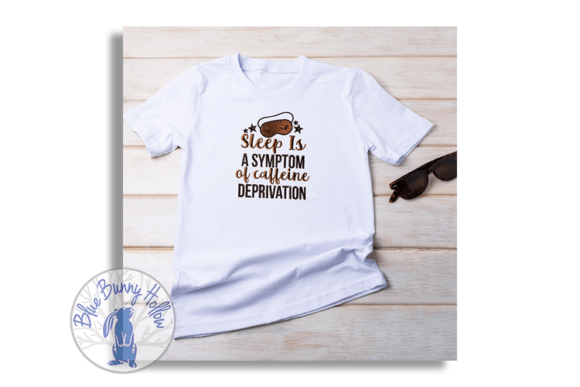
As an embroidery designer who has spent years digitizing files for small business owners, I know that the difference between a good design and a great one often lies in its versatility. Today, I am reviewing a specific machine embroidery design titled Sleep a Symptom of Caffeine Deprivation. This piece features a sleeping mask surrounded by stars and carries the bold proclamation that sleep is merely a symptom of caffeine deprivation. While the product category lists it under Tea, the sentiment resonates deeply with the coffee culture that fuels so many creative studios, bakeries, and boutique shops. Let's dive into how this digital embroidery file performs when translated from a screen to real-world merchandise.
First Impressions: Playful Yet Professional
When I first open the preview of Sleep a Symptom of Caffeine Deprivation, the visual personality immediately stands out. It strikes a balance between rustic charm and modern wit. The combination of the sleeping mask and stars creates a whimsical focal point, while the text delivers a relatable message about the struggles of adulting. For small business merch, this is crucial. You want your brand identity to feel approachable without sacrificing professionalism. This design feels friendly and bold, making it perfect for a handmade product line or a local café looking to humanize their staff uniforms.
The aesthetic suggests a premium, handmade presentation. Unlike generic clip art, the layout implies a thoughtful composition that can elevate a simple tote bag or a plain apron into a statement piece. It signals to the customer that the business behind the product understands the daily grind, creating an instant connection through shared humor.
Real Business Applications for Small Brands
For Etsy sellers, apparel decorators, and merch creators, the utility of Sleep a Symptom of Caffeine Deprivation extends far beyond a single item. Here is how I envision this embroidery file performing across various commercial embroidery projects:
- Staff Uniforms and Aprons: In a busy bakery or florist shop, placing this design on the back pocket of an apron or the chest of a work shirt adds a layer of personality to the team. It turns standard workwear into custom apparel that customers notice and appreciate.
- Branded Patches: Creating an embroidered patch version of this design allows for maximum flexibility. These patches can be sewn onto denim jackets, backpacks, or even used as unique product packaging accents for tea blends or coffee beans.
- Cap Embroidery: A smaller version of the sleeping mask icon could work well on the front of a baseball cap, serving as a subtle logo accent that sparks conversation.
- Tote Bag Design: For a boutique selling handmade goods, a large-scale application on a canvas tote bag serves as a walking billboard. It reinforces the brand's playful nature every time a customer carries it.
- Event Merchandise: If you are hosting a workshop or a pop-up event, this design makes for excellent limited-edition swag. It acts as a memorable takeaway that aligns with the "adulting is hard" narrative.
Whether you are building a portfolio of design assets or preparing a bulk order for a seasonal promotion, this file offers the visual consistency needed to strengthen your brand recognition.
Navigating Technical Challenges
While the concept is strong, any professional embroiderer knows that execution depends on understanding the limitations of the medium. There are specific scenarios where Sleep a Symptom of Caffeine Deprivation requires careful handling to ensure the finished product looks crisp and durable.
First, consider the stitch density. The phrase "Sleep is a Symptom of Caffeine Deprivation" contains a fair amount of text. If you attempt to use this on a tiny patch size, the lettering may become illegible due to high stitch density. Always check if the design works at the intended scale before committing to production. Similarly, on curved surfaces like the front of a cap, long lines of text can distort. In these cases, you might need to isolate just the sleeping mask and stars for a cleaner look.
Fabric texture also plays a significant role. On textured fabrics like heavy twill or thick cotton blends, fine details in the stars or the mask outline might get lost. You must test the design on real fabric to see how the thread colors interact with the weave. Additionally, items that undergo frequent washing, such as staff aprons, require robust stitching. Ensure the stabilizer used during digitizing provides enough support to prevent puckering over time.
Impact on Brand Identity and Customer Trust
Using a witty design like Sleep a Symptom of Caffeine Deprivation affects more than just the visual appeal; it influences buyer engagement and trust. When customers see a business that embraces humor and acknowledges the realities of daily life, they perceive the brand as authentic. This authenticity translates into higher product value. A tote bag with a clever, well-executed embroidery design feels more valuable than a printed equivalent because it represents quality craftsmanship.
Furthermore, consistent use of this design across different items—caps, shirts, bags—builds a cohesive brand identity. It becomes a signature element that loyal customers recognize. However, maintain visual consistency by ensuring the thread colors match your existing palette. A mismatched color scheme can undermine the professional look you are trying to achieve.
Practical Designer Notes for Production
Before you purchase the digital embroidery file or start your commercial embroidery project, follow these practical steps to ensure success:
- Test in Black and White: First, view the design in grayscale to assess contrast and spacing. This helps identify areas where stitches might be too close together.
- Verify Hoop Size: Confirm that the design fits within your available hoop size. If it requires a larger hoop than you have, you may need to split the design, which can affect alignment.
- Check Thread Colors: Review the recommended thread colors against your fabric. High contrast is key for readability, especially on dark uniforms.
- Create a Printable Mockup: Before running the machine, generate a printable mockup for client approval. This saves time and materials if adjustments are needed.
- Inspect Stabilizer Needs: Determine the correct stabilizer for your specific fabric texture. A tear-away might suffice for a tote bag, but a cut-away is better for stretchy apparel.
- Confirm Licensing: Always confirm commercial licensing terms before using any embroidery file for business. Ensure you have the right to produce multiple units for sale.
By taking these precautions, you ensure that Sleep a Symptom of Caffeine Deprivation remains a standout asset in your collection. Whether you are a solo crafter or running a full-scale decoration shop, this design offers a delightful way to connect with your audience while showcasing your technical skill in embroidery.