Money Bag: A Professional Embroidery Design Review
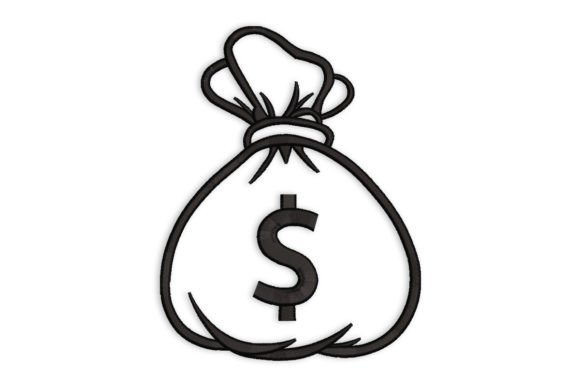
As an embroidery designer who has spent years translating digital files into tangible brand assets, I approach every new design with a critical eye. The market is flooded with generic patterns, but finding a machine embroidery design that balances visual appeal with commercial viability is rare. Today, I am reviewing the Money Bag design, a concept centered around the Money Symbol. This piece is marketed for finance-related crafts, home decor, framed artwork, and clothes, promising multiple file formats for flexibility. But does it hold up when we move from personal hobbies to serious small business merch? Let's dig into how this digital embroidery file performs in a real-world branding scenario.
First Impressions: Visual Personality and Brand Fit
At first glance, the Money Bag design strikes a balance between playful and professional. It is not merely a decorative doodle; it carries the weight of financial success, abundance, and value. For a boutique bakery celebrating a grand opening, a creative studio offering financial literacy workshops, or a local investment firm looking for approachable swag, this icon communicates wealth without feeling overly corporate. The aesthetic leans slightly rustic and handmade, which is perfect for businesses that want to appear grounded yet successful.
However, the strength of the design lies in its versatility. When I visualize it as part of a brand identity, I see potential beyond just "finance." It can represent "value" for a high-end handcrafted goods shop or "reward" for a pet training brand. The clean lines of the Money Symbol allow it to scale well, provided the stitch density is managed correctly. Unlike overly complex illustrations that lose definition at smaller sizes, the Money Bag retains its core shape, making it a strong contender for various applications.
Real-World Applications for Small Business Merch
The true test of any embroidery file is how it translates to physical products. Here is how I envision utilizing the Money Bag across different sectors of the industry:
- Staff Uniforms and Aprons: For a café or boutique, placing a small Money Bag motif on the chest pocket of a work shirt or the corner of an apron adds a touch of personality. It signals to customers that the team values quality and prosperity. An apron embroidery detail like this can turn a standard uniform into a branded asset that employees are proud to wear.
- Cap Embroidery: Caps are prime real estate for branding. The rounded front of a baseball cap can be challenging, but the compact nature of the Money Symbol makes it ideal here. It works best as a left-side accent or a small center logo, avoiding the distortion that often plagues larger designs on curved surfaces.
- Tote Bags and Event Swag: As an event organizer or retail store owner, you need durable, reusable items. A tote bag design featuring the Money Bag creates a walking billboard for your brand. Whether it is a customer gift or a giveaway at a trade show, the bold imagery stands out against canvas textures.
- Custom Apparel and Patches: One of the most effective uses is creating an embroidered patch. You can sew these onto denim jackets, backpacks, or even attach them to product packaging. This modular approach allows you to produce a single design and apply it to hundreds of different SKUs, maximizing your return on investment.
- Home Decor and Framed Art: While this review focuses on business use, do not overlook the potential for framed artwork. A local florist or interior designer could use this as a unique wall hanging for their office, reinforcing their niche in a visually interesting way.
Critical Considerations for Production
While the Money Bag offers great potential, there are specific areas where caution is required to ensure a premium finished product. As a designer, I always advise clients to test before they commit to a full production run.
Size and Stitch Density
Small patch sizes are where many designs fail. If you shrink the Money Bag too much, the details of the money symbol may become indistinguishable blobs of thread. Always check the minimum recommended size. Furthermore, inspect the stitch density. High density can cause puckering on lightweight fabrics like dress shirts or thin tote bags. If the file is too dense, you may need to adjust the settings or choose a heavier fabric base.
Fabric Texture and Color Contrast
The texture of your material matters. On a rough, textured fabric like heavy canvas or wool, fine details might get lost. Conversely, on smooth silk or satin, the design will pop. Pay close attention to thread colors. If you are using this on dark uniforms, ensure the outline of the Money Bag is thick enough to be seen clearly. A lack of contrast can make the design look muddy and unprofessional.
Stabilizer and Hoop Size
Never underestimate the importance of the right stabilizer. For items that will undergo frequent washing, such as aprons or caps, a cutaway stabilizer is essential to prevent the threads from tearing over time. Also, confirm the hoop size required by the file. If the design is large, you cannot fit it into a 4x4 hoop, which limits your machine options. Always verify these technical specs before purchasing the digital embroidery file.
Impact on Brand Identity and Customer Trust
Using a cohesive design like the Money Bag significantly impacts how customers perceive your business. Consistency is key to building trust. When a client sees the same high-quality embroidery on your staff's caps, your tote bags, and your product labels, it reinforces a sense of professionalism. It tells the buyer that you pay attention to detail and invest in your presentation.
This level of care elevates the perceived value of your handmade product or merchandise. In the crowded marketplace of Etsy sellers and online boutiques, a custom embroidered accent can be the deciding factor between a sale and a scroll-by. It transforms a generic item into a branded experience. Moreover, having a recognizable symbol helps with visual consistency across all your marketing materials, from social media mockups to physical inventory.
Practical Designer Notes for Implementation
If you decide to integrate the Money Bag into your workflow, follow these steps to ensure success:
- Test in Black and White: Before spending money on colorful thread, run a test stitch in black. This reveals any issues with spacing, jump stitches, or density without the distraction of color.
- Create a Printable Mockup: Use software to place the design on a photo of your actual product. Show this to your client or team for approval before cutting any fabric.
- Check Commercial Licensing: Since this is for business use, strictly confirm the licensing terms. Ensure you have the right to use the design for commercial embroidery and selling finished goods.
- Compare Design Assets: Place the Money Bag next to other logos or text you plan to use. Does it clash? Does it complement? Visual harmony is crucial for a polished look.
- Verify File Formats: The description mentions multiple formats, but double-check that your specific embroidery machine supports the included files (such as .PES, .DST, or .JEF) to avoid compatibility headaches.
In conclusion, the Money Bag is more than just a cute icon; it is a versatile tool for small business merch creators. With careful planning regarding size, fabric, and thread choice, it can elevate your brand from simple to sophisticated. Whether you are stitching it onto a cap for your team or creating patches for your next product line, this design offers a solid foundation for building a memorable visual identity.